Host-Microbe Interactions
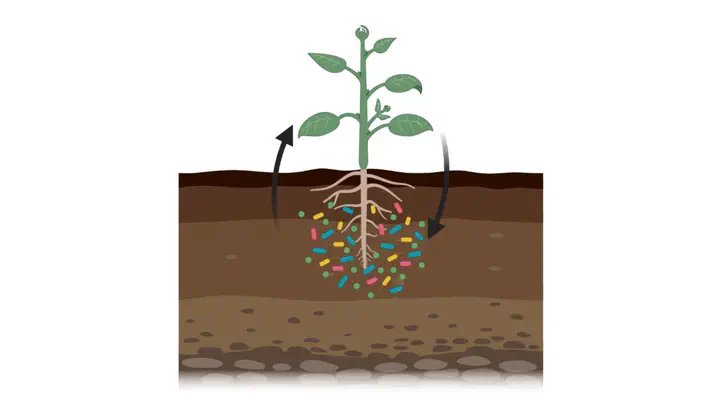
Understanding the co-evolution mechanisms between hosts and microbes is crucial for unraveling the intricate relationships that shape various biological processes. Microbes play a vital role in the health and functioning of host organisms, ranging from humans to plants and animals. However, the underlying mechanisms driving these interactions and their evolutionary dynamics remain largely unexplored.
In recent years, advancements in multi-omics approaches have provided powerful tools to investigate complex biological systems. By integrating multiple omics disciplines such as genomics, transcriptomics, proteomics, and metabolomics, researchers can gain comprehensive insights into the molecular interactions between hosts and microbes.
The primary objective of this research project is to employ multi-omics approaches to probe the co-evolution mechanisms between hosts and microbes. By analyzing the genetic, transcriptomic, and functional profiles of both hosts and associated microbial communities, we aim to uncover the intricate interplay and mutual adaptations between these organisms.
Through the integration of multi-omics data, we will explore the genomic variations, gene expression patterns, and metabolic interactions that shape the host-microbe relationship. This holistic approach will enable us to identify key genetic factors, molecular pathways, and biological processes involved in the co-evolutionary dynamics.
By gaining a deeper understanding of the co-evolution mechanisms, we can shed light on important aspects such as host immune responses, microbial virulence factors, and the impact of environmental factors on these interactions. The findings of this research have the potential to advance our knowledge of host-microbe relationships, aid in the development of targeted therapies, and contribute to the fields of microbiology, immunology, and evolutionary biology.

Min-Ji Kim
Ph.D candidate of Applied Biosciences
My research interests include metagenomics in one-health approach and host-micrbe interactions.